

Price :
QTY :
CART TOTALS :
There are items
in your cart
CART TOTALS :
Finding a productive dock, brush pile, bridge piling, or piece of standing timber is only the first step toward catching crappie consistently. The next decision is how to deliver your bait to the fish.
The same spot may call for shooting when fish are buried beneath cover, casting when they begin roaming, and vertical jigging when they concentrate directly below the boat. Each method approaches fish from a different angle and moves the bait through a different part of the water column.
Rather than choosing a familiar technique, let fish position, activity level, cover, and conditions determine the best crappie presentation.
Crappie often gather around predictable cover, but they do not always hold in the same place. Some may be tucked beneath a dock, while others suspend several feet outside it. On a brush pile, aggressive fish may roam above the branches while neutral fish remain close to one side.
That is why two anglers can fish the same spot and experience completely different results. One bait may travel above the fish, another may fall past them too quickly, and another may never reach the shaded pocket holding the largest crappie.
These three presentations solve different problems:
Shooting reaches tight areas beneath overhead cover.
Casting covers water and targets suspended or roaming fish.
Vertical jigging provides maximum depth control over a precise target.
Before changing colors or leaving the spot, make sure your bait is reaching the fish at the correct angle, speed, and depth.
Start by evaluating the spot.
Where are the fish? Crappie beneath a dock require a different delivery than fish suspended above open-water cover.
How close can the boat get? Clear water, shallow conditions, and fishing pressure may require a longer cast. Tight cover may demand close-range control.
How active are the fish? Aggressive crappie often chase a swimming bait. Neutral fish may prefer a jig that remains nearly motionless.
Can you control the bait? Wind, current, depth, and line angle affect your ability to feel the jig and repeat the productive presentation.
Dock shooting is the best option when crappie are positioned farther beneath a dock, boat lift, walkway, or other overhead cover than a traditional cast can reach. Loading the rod and releasing the jig on a low trajectory allows it to skip into shaded areas that receive less fishing pressure.
Target openings between posts, lifts, cables, and floats. Watch the line closely as the jig falls because many bites occur before it reaches the expected depth.
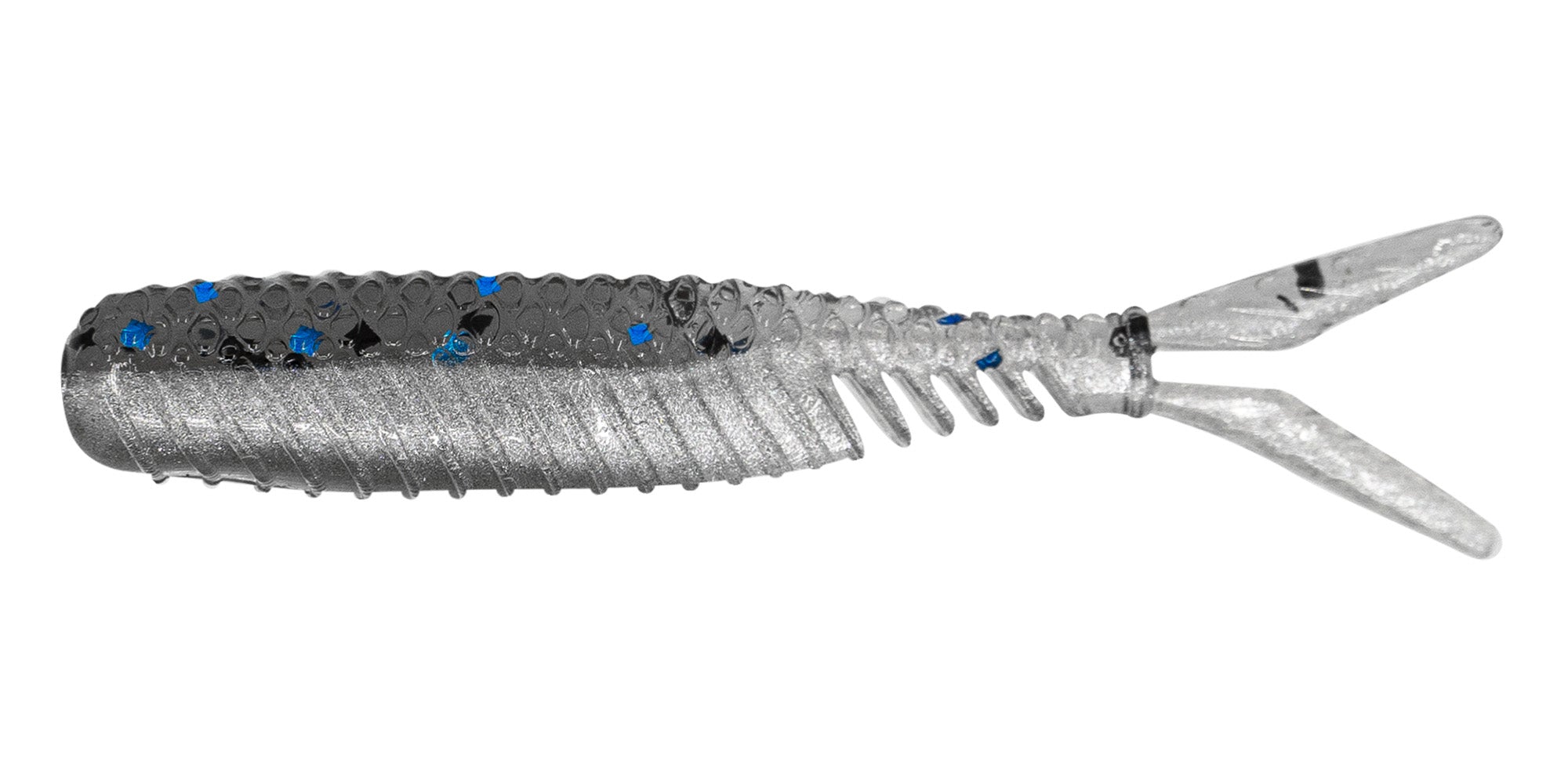
The Dock Shooter Jighead is designed for repeated skip casts. Its molded spring-wire keeper helps prevent the plastic from sliding down after hitting the water or contacting structure. Pair it with the baitfish profile and subtle tail movement of the Minnow1.
Start with a 1/16-ounce head when fish are shallow or respond to a slower fall. Move to 1/8 ounce when you need more distance, better control in wind, or a faster drop to deeper fish. The article Jig Heads for Crappie: How to Stay in the Strike Zone Longer provides a more detailed look at matching jig weight to depth and conditions.
Casting is usually the most efficient crappie presentation when fish are spread around a spot rather than buried in one small area. It allows you to search several depths, approach from a distance, and swim a bait through suspended schools.
Use it when crappie are roaming outside a dock, suspended above brush, following baitfish along a break, or holding over open water. Cast beyond the target, allow the jig to count down, and retrieve it through the depth where fish are positioned.
The Bait Jighead is a versatile casting option with a tapered profile designed to run true with different plastic shapes. Pair it with the Swimmer1 when active crappie are feeding on moving baitfish. Its flexible body and cupped tail tabs create action at different retrieve speeds.
When fish want less movement, use the Minnow1 with a slow retrieve or pendulum-style presentation. A 1/16-ounce jig helps keep the bait higher and slows the fall. A 1/8-ounce head provides more distance and makes a deeper path easier to repeat.
Pay attention to where each bite occurs. When strikes consistently come after the same countdown, repeat that depth and retrieve angle.

Vertical jigging is the best option when the boat can be positioned directly over a brush pile, standing tree, bridge piling, or tightly grouped school. With the line nearly straight beneath the rod tip, you can control depth and keep the bait in a narrow strike zone.
This method is especially effective when crappie are neutral, pressured, or holding close to cover. Lower the bait just above the fish and begin with minimal movement. Small lifts, pauses, and slight shakes are often more productive than aggressive jigging.
A Bait Jighead paired with a Minnow1 provides a versatile vertical setup. When fish refuse plastics or have seen heavy pressure, the Minnow4 Hair Jig offers a hand-tied profile that maintains natural movement with very little angler input.
Vertical control is particularly valuable around submerged wood, where a few inches can determine whether the bait stays above the fish or becomes buried in cover. For more help approaching this structure, read Fishing Brush Piles for Crappie.
| Fishing situation | Best presentation | Suggested setup |
|---|---|---|
| Crappie deep beneath a dock | Shooting | Dock Shooter Jighead + Minnow1 |
| Fish suspended outside cover | Casting | Bait Jighead + Swimmer1 |
| Crappie roaming above brush | Casting | Bait Jighead + Minnow1 |
| Fish concentrated at one depth | Vertical jigging | Bait Jighead + Minnow1 |
| Pressured fish unwilling to chase | Vertical jigging | Minnow4 Hair Jig |
| Deeper water or windy conditions | Any method | Consider increasing from 1/16 to 1/8 ounce |
These setups are starting points. The best crappie anglers adjust quickly when fish behavior changes.
A productive spot may require more than one presentation. Use fish reactions, the location of each strike, and your ability to control the jig to decide when to change.
When fish follow a cast without biting, slow down or approach them vertically. When bites occur only during the initial fall, shooting or a controlled vertical drop may keep the jig in the strike zone longer. When crappie leave cover and begin roaming, casting becomes more efficient.
When wind creates too much slack to feel the jig, use a heavier head or reposition the boat for a more vertical line. Most importantly, change presentation before cycling through every color in the tackle box. Depth, angle, speed, and fall rate determine whether the fish see the bait in a position where they can eat it.
Shooting, casting, and vertical jigging are not competing techniques. They are three tools for presenting a crappie jig through different parts of the same spot.
Shoot when fish are buried beneath overhead cover. Cast when they are suspended, roaming, or better approached from a distance. Go vertical when the school is concentrated and precise depth control is the priority.
Carrying all three setups allows you to respond as fish reposition throughout the day. For additional rigging options, explore Mastering Artificial Crappie Rigs: Four Setups Every Angler Should Know or browse the complete collection of 1standard crappie jigs.