

Price :
QTY :
CART TOTALS :
There are items
in your cart
CART TOTALS :
Picking the best crappie jig colors gets a whole lot easier when you stop treating color like a guessing game.
Seasoned crappie anglers already know there are days when color absolutely matters. One small change from a natural shad color to a brighter chartreuse tail can turn lookers into biters. On other days, the fish are eating so well that color feels secondary to depth, speed, and getting the bait in the right window.
The key is having a system.
Instead of carrying every color under the sun and randomly swapping jigs, start with water clarity. Clear, stained, and muddy water each calls for a different color mindset. From there, you can fine-tune your jig head color, soft plastic color, and contrast level based on how crappie react.
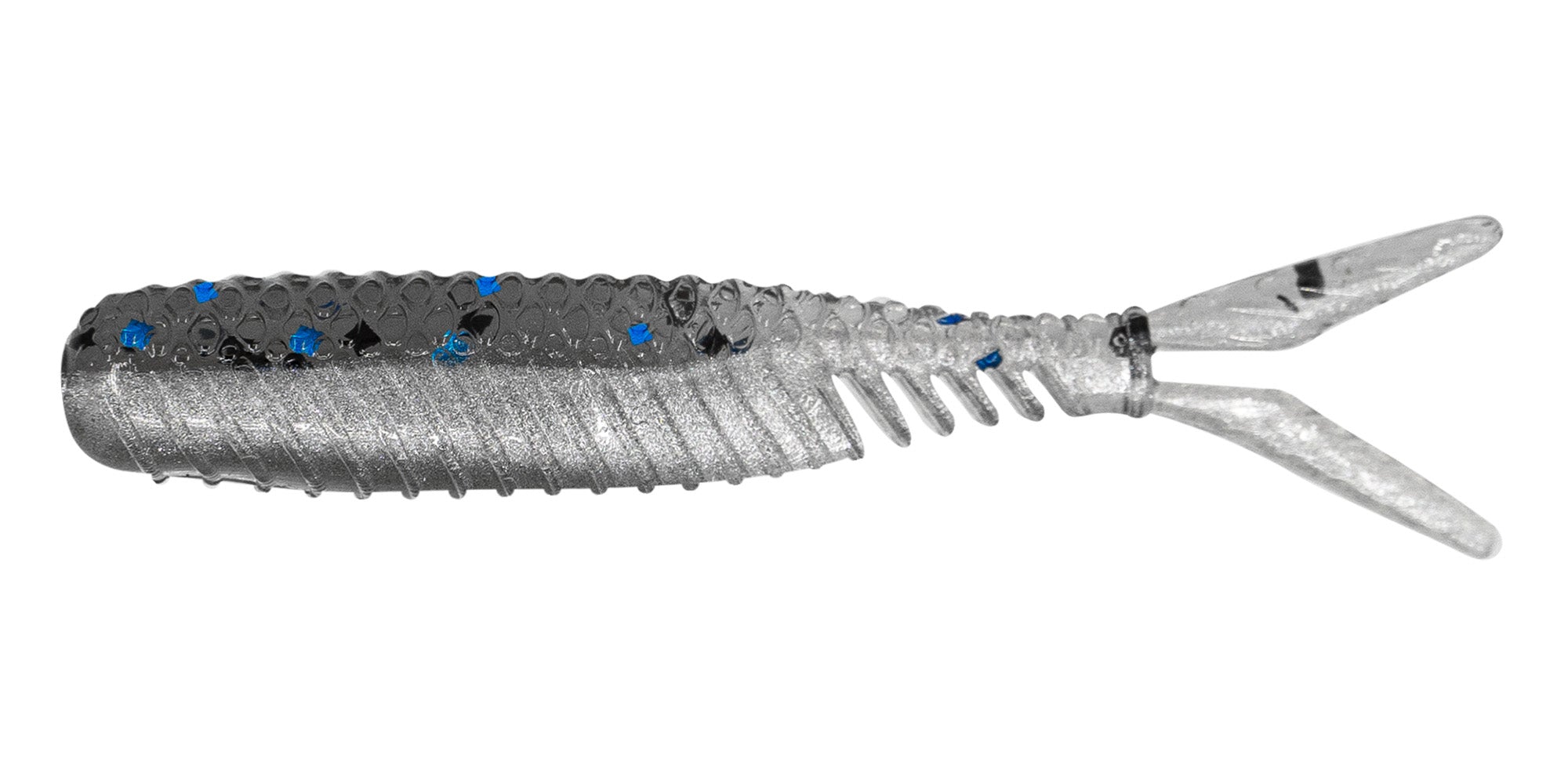
For this system, we’ll focus on proven color logic using the 1standard Minnow1 and Bait Jighead. The Minnow1 is built around a shad and minnow profile with a vertical tail, subtle quiver, and two-tone attraction options, while the Bait Jighead is available in Pearl, Chart, Black Chart, Bare Shad, and Black Shad.
Water clarity controls how far a crappie can see your jig, how much detail the fish can make out, and how much contrast your bait needs to get noticed.
In clear water, crappie often get a better look at the bait. That usually means natural colors, cleaner profiles, and subtle jig head pairings are a smart starting point. In stained water, you still want a baitfish look, but the jig needs enough brightness or contrast to help fish track it. In muddy water, fine detail matters less. Silhouette, contrast, and visibility become the deal.
That does not mean color is the only thing that matters. Depth, light penetration, wind, current, cover, and fish mood all play into it. But if you are starting from scratch on a new lake, new creek arm, or new brush pile, water clarity is the quickest way to make a good first color decision.

In clear water, start natural.
Crappie feeding on shad, minnows, and small baitfish are used to seeing translucent, white, silver, pearl, smoke, and soft green tones. When the water is clean, and fish can inspect your jig, a loud color can sometimes get too much attention in the wrong way.
Good Minnow1 colors for clear water include Smoke Show, Green Shad, Spilled Milk, Freshwater Shrimp, and Blue Grass. These colors keep the profile natural while still giving you enough visibility to track the bait, especially when fishing brush, standing timber, docks, or open-water schools.
For jig heads, start with Bare Shad or Pearl. Both keep the overall package looking like a small baitfish. If crappie are following but not committing, that natural head-to-body flow can help make the bait look less suspicious.
A good, clear-water starting combo would be Smoke Show on a Bare Shad Bait Jighead. Another strong choice is Green Shad on Pearl when fish are roaming around bait or holding slightly deeper, where you still want a little flash and definition.
If fish are tracking the bait but peeling away at the last second, stay in the same natural family before making a drastic change. Switch from Green Shad to Smoke Show, or from Pearl to Bare Shad. You will get better feedback when they change one variable at a time.

Stained water is where color selection gets fun.
You still want the jig to look like something a crappie wants to eat, but you need more visibility than you would in clear water. This is where chartreuse, orange, pink, blue, and brighter two-tone combinations start to shine.
For stained water, strong Minnow1 choices include Chart, Moolah, Electric Chick, Candy Corn, Bubblegum Blue, and ChartyPox. These colors give you more pop without completely losing the baitfish profile.
On the jig head side, Chart, Pearl, and Bare Shad are the main players. A Chart Bait Jighead can help crappie find the bait faster, especially when you are pitching to visible cover or watching fish react on forward-facing sonar. Pearl is a good middle-ground option when you want brightness but not too much contrast.
A solid stained-water starting combo is Electric Chick on a Chart Bait Jighead. It gives you plenty of visibility and works well when fish are active or when the water has that greenish tint. For a slightly more natural look, try Moolah on Pearl or Candy Corn on Bare Shad.
The main thing in stained water is to avoid being too subtle too soon. If crappie are not turning on the bait, they may simply not be seeing it well enough. Before changing size or weight, try adding a brighter tail or a more visible jig head.

Muddy water calls for a different mindset.
In low visibility, crappie are not studying scale patterns and subtle flake. They are reacting to movement, profile, vibration, and contrast. Your jig needs to create a strong target, especially when fish are tucked tight to wood, brush, dock posts, or shallow cover.
Top Minnow1 colors for muddy water include Black Chart, Junebug Chart, Beast, Lemon, Electric Chick, and Black Crappie Fry. The darker colors create a silhouette, while chartreuse and bright tones help the bait stand out in dirty water.
For jig heads, start with Black Chart, Black Shad, or Chart. A dark head can make the front of the bait easier for fish to pin down, while a bright head helps the entire package show up better in low visibility.
A strong muddy-water starting combo is Black Chart on a Black Chart Bait Jighead. That gives you both a silhouette and a bright strike target. Another good option is the Junebug Chart on Black Shad when the water is dirty but not completely blown out. If you need maximum visibility, Lemon on Chart is a good high-visibility setup.
In muddy water, placement matters as much as color. Keep the bait close to the cover, slow your presentation down, and give crappie time to find it. A great color will not help much if the jig is moving too fast or riding outside the strike zone.
Jig head color is one of the most overlooked parts of crappie color selection.
A lot of anglers obsess over soft plastic color, but rig every bait on the same head. That works some days, but when crappie are picky, the head can change the jig's whole look.
Match the head when you want a clean, natural presentation. This is usually best in clear water, around pressured fish, or when crappie are following closely before eating.
Contrast the head when you need the bait to stand out. This is especially useful in stained water, dirty water, low light, or when fish are reacting from a distance.
Use darker heads when silhouette matters. Black Shad and Black Chart are good options when the water is muddy, the sky is dark, or fish are holding tight to cover.
The nice thing about the 1standard Bait Jighead lineup is that the colors cover the main situations without overcomplicating your box. Pearl and Bare Shad handle the natural side. Chart adds visibility. Black Shad and Black Chart bring contrast and silhouette.
Here is the simple system:
For clear water, start with Smoke Show or Green Shad on Bare Shad or Pearl.
For stained water, start with Chart or Electric Chick on Chart or Pearl.
For muddy water, start with Black Chart or Junebug Chart on Black Chart or Black Shad.
From there, let the fish tell you what to do next.
If crappie follow but will not eat, tone the color down. If fish are not reacting or seem to lose the bait, add contrast or brightness. If they rush the jig but miss it, try changing the head color before changing the entire bait.
That last part is important. Experienced crappie anglers make cleaner decisions by changing one thing at a time. Keep the Minnow1 color the same and swap jig head colors. Or keep the head the same and rotate through a natural, bright, and high-contrast plastic.
Random color changes can catch fish, but they do not teach you much. A simple rotation helps you dial in the bite faster.
Water clarity gives you the starting point, but conditions still matter.
On bright sunny days, natural colors often look better in clear water because the bait is already easy to see. On cloudy days, early mornings, or deeper presentations, a little extra contrast can help.
Forward-facing sonar has also changed how serious crappie anglers think about color. Now you can watch fish follow, turn away, rise, sink, or ignore a bait completely.
If fish see the jig from a long way off but refuse it, your color may be too bold. If they do not track the bait until it is right on top of them, you may need more visibility. If they follow several feet and fade away, try a more natural head or a softer body color.
Color is not just about what looks good in your hand. It is about how fish respond in real time.
They are based on visibility, contrast, water clarity, and fish response.
In clear water, keep it natural with colors like Smoke Show, Green Shad, and Spilled Milk. In stained water, add controlled brightness with Chart, Electric Chick, Candy Corn, or Moolah. In muddy water, lean on the silhouette and contrast with Black Chart, Junebug Chart, Beast, or Lemon.
Pair those Minnow1 colors with the right Bait Jighead color, and you have a simple system that covers most crappie conditions without overthinking it.
Start with water clarity. Pick the right color family. Adjust one variable at a time. Then let the bites tell you the rest.