

Price :
QTY :
CART TOTALS :
There are items
in your cart
CART TOTALS :
Every year, crappie get a little harder to fool. More pressure, clearer water in a lot of places, and way more anglers who can find fish with electronics. The good news is you don’t need a hundred tricks. If you tighten up a handful of fundamentals, stealth, depth control, fall rate, and putting your bait where fish actually live, you’ll catch more and waste less time doing the “they should be here” routine.
Crappie are weird like that. One day, they’ll chew like piranhas, and the next day, you swear they’ve vanished. A lot of the time, they didn’t leave… You pushed them off the “sweet spot” with boat noise, shadows, or a trolling motor that’s constantly bumping on and off. Being quiet and stealthy flat-out produces more bites, and that lines up with what you see in cold water tournaments and on pressured lakes.
Stealth isn’t just “don’t yell.” It’s approaching cover from the right angle, so your boat shadow isn’t rolling over the fish. It’s easing into dock rows instead of pulling in hot. It’s setting down your rod, cooler lid, and pliers without sounding like you’re remodeling a kitchen.
If you want a simple rule that pays off all year, when you find fish, treat that spot like you’re bowhunting. Make your first few presentations count, because that’s often when the better ones bite.

Modern crappie fishing has become a “depth game” more than ever. Whether you’re running basic 2D/Down or forward-facing sonar, the advantage isn’t just seeing fish, it’s figuring out exactly where in the water column they’re living and then repeating that depth until you’re sick of it.
Once you know the depth, get disciplined. If you mark them at 12 feet over 20, your bait should spend most of its time around 12, not at 4 feet on the way back to the boat. The anglers who consistently sack them up aren’t always “better,” they’re just more repeatable.
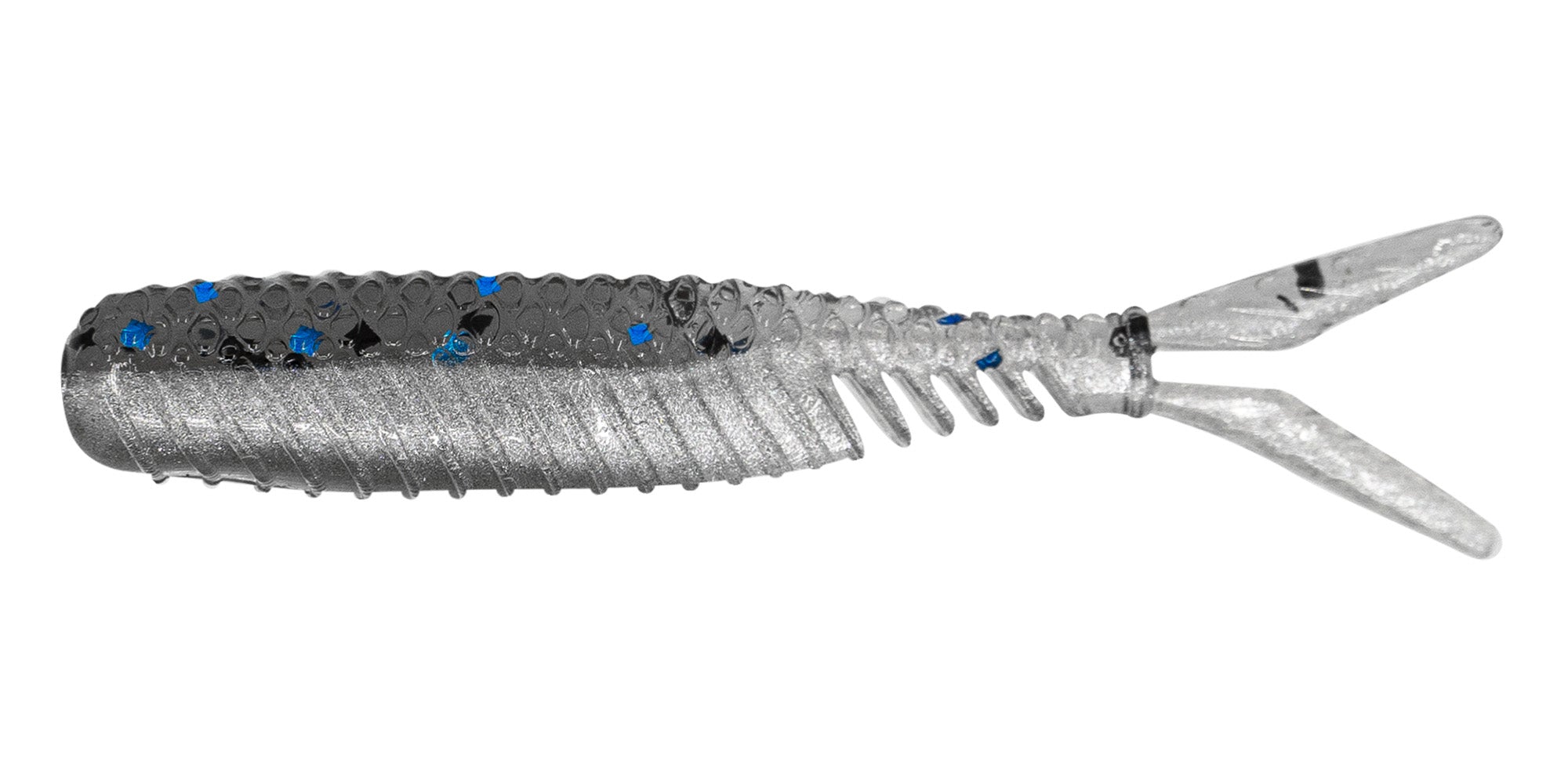
This is also where 1standard’s approach to sonar-friendly presentations makes sense. If you’re pitching to individual marks or small groups, pairing a Minnow1 with a head like the Bait Jighead that matches your depth and fall rate keeps your presentation clean and consistent.
A lot of folks treat crappie seasons like a light switch: “winter deep, spring shallow.” The reality is, crappie spend a ton of their year in between. Staging and moving along routes that make sense for food and safety. Spring movements are often forage-driven first, and how crappies roam and use different areas based on what they’re doing and what the food is doing.
If you want to find fish faster, stop thinking “bank” and start thinking “routes.” Key places that repeatedly hold fish during transitions include creek channels, secondary points, channel swings, and the first solid cover close to deeper water. When you hit a stretch like that, and you catch one, don’t just keep casting at the same spot. Look for the next piece of the route that matches the same depth and setup.
That’s how you go from catching a couple to finding a pattern that lasts all day.

Docks aren’t just a summer deal. Docks with enough water beneath them can hold crappie much of the year, with warmer months being especially productive because shade and bait make docks natural feeding stations.
The trick isn’t “fish docks.” The trick is learning which docks are worth your time today. In summer, the best docks often have shade, depth options, and maybe brush nearby. In cooler months, the best ones are frequently the ones closest to deeper water or channel edges, places fish can slide in and out without traveling far.
When you need to reach the dark water under the walkways and platforms, this is where a setup designed for tight skips shines. A Dock Shooter Jighead paired with a Minnow1 gives you a compact, repeatable presentation you can shoot into places most anglers can’t reach consistently.
Dock shooting is a real technique, not a gimmick, and it’s worth practicing because it opens up a huge amount of “untouched” water under docks.
If you’ve fished long enough, you’ve seen it: same dock, same brush pile, same depth… and one day they’ll only bite a bait that falls slower. Another day, they want it zipping down. That’s fall rate, and it’s one of the biggest “little things” in crappie fishing.
The practical takeaway is simple: bring more than one head weight, and don’t be stubborn. If fish are suspended and watching, a slower fall can keep your bait in their face longer. If they’re tight and you need to get down to them without wasting time, bump the weight up.
On the 1standard side, this is why it’s handy to have options like the Dock Shooter Jighead for precision placement and the Stacker Jighead for controlled presentations when you’re trying to keep baits in a very specific zone.
This is the tip that saves trips after a cold front, or when the lake gets pounded all week, and you’re out there on a Saturday with everyone else.
When crappie get negative, speed usually hurts you. Overworking the bait hurts you. Big profiles can hurt you. What helps is subtle action, longer pauses, and a presentation that looks easy to eat.
That’s exactly when a hair jig style can shine, and 1standard’s Minnow4 Hair Jig is built for that “subtlety seals the deal” deal. Cold water, tough bite windows, spooky fish that follow but won’t commit.
Fish it like you’re trying not to mess it up. Let it fall. Hold it still. Make tiny movements. Watch your line. When you finally feel that “tick” or just see your line go slack too fast, sweep into them and keep steady pressure, crappie mouths are soft.
Crappie often group up, and the hard part is finding the right group. Once you find them, the name of the game is not letting the school “reset” and slide off.
Your search mode can be covering water, scanning likely depths, checking multiple pieces of cover quickly, or moving from dock to dock until you find the right one. Once you get bites, shift gears and start working angles, depth, and fall rate until you’re catching them regularly.
A lot of forward-facing sonar discussion, especially in tournament and pro coverage, emphasizes being mobile and willing to bounce from target to target. That mindset translates directly to crappie: don’t camp where you hope they are; hunt where you know they are.

Water clarity and light matter a lot, and subtle shifts can keep bites coming when the fish get picky. Subtle color changes can help as conditions vary and fish see more pressure, without you having to carry “50 different colors.”
Here’s the clean way to think about it. In stained water, lower light, or heavy shade under docks, you generally want something the fish can track: contrast and visibility. In clearer water and bright conditions, cleaner, more natural looks can help. The best part is that you can test quickly. Keep the same depth and fall rate, rotate colors until the fish tell you “yes,” and then stop messing with it.
This is where having Minnow1 colors ready to rotate makes life easier. You’re not changing your whole program, just adjusting the look while keeping your presentation consistent.
This is one of those tips that sounds obvious until you watch people fish. Most anglers don’t spend much time in the zone. Their jig falls past fish too fast, or their retrieve pulls the bait up and away immediately, or they’re reeling because “it’s time to cast again.”
If you want more bites, especially in tough conditions, your job is to keep your bait where the fish are longer. That might mean slowing your retrieve, making shorter lifts, or letting the jig pendulum back through a brush pile instead of ripping it out.
This pairs perfectly with the fall-rate tip: the right head weight plus a controlled cadence is how you “stay in their face” without wasting the cast.
Not all brush piles are equal. Not all docks are equal. Even within one dock, one post line might be loaded, and the other might be dead.
Brush piles often show up near docks and can be key targets, and it’s another reminder that the best cover is usually the one with something extra. Depth nearby, bait present, or a hard edge that helps fish position.
So when you pull up to a good-looking area, don’t just “fish everything.” Identify the highest-percentage piece first. The dock closest to the channel. The brush pile on the edge of the flat. The shady side with wind pushing bait. Those little details are why one angler catches ten off a dock row and another catches one.
If you like covering a piece of cover quickly while still getting a read on what they want, the Stacker Jighead approach, presenting multiple looks in a controlled way, can help you dial in the productive color/profile sooner. Just keep local regulations in mind anywhere you fish, because rules can vary by state and waterbody.
If you take anything from this, let it be this: crappie fishing rewards anglers who are repeatable. Be stealthy. Find the depth. Control fall rate. Keep the bait in the zone. Target the highest-percentage cover. Then adjust the color and speed with intention rather than panic.
You don’t need to overcomplicate your gear either. A small set of purpose-built options, like Minnow1, the Dock Shooter Jighead, the Stacker Jighead, and a Minnow4 Hair Jig, covers a whole lot of situations without turning your boat into a rolling tackle store.
They can be. Docks with enough water beneath them and consistent shade/bait presence often hold crappie much of the year, with warmer months typically shining.
Use water clarity and light as your starting point. In low light or stained water, lean toward higher contrast. In clear water and bright conditions, try cleaner/natural looks and make small adjustments rather than big jumps.
Because it changes how long the bait stays in front of fish and how “easy” it looks to eat. Anglers constantly adjust weight and rigging to get the right fall for the mood the fish are in.
Start by using electronics to identify the holding depth, then match jighead weight and cadence to keep your bait at that level. Slip-float setups are also a classic depth-control tool when fish are relating to specific depths.
Yes, because it lets you reach shaded areas under docks that most anglers don’t effectively cover. It takes practice, but it’s a proven way to catch fish that live deep in the shade.